This Saturday, Wekiva Island will be closed until 5:00 p.m. for our annual Fall Egg Fest. We’d love for you to join the fun—grab your ticket and be part of the festivities. After 5:00 p.m., the Island will reopen and welcome guests as usual.

Most rivers ask you to take their depths on faith. Florida’s spring-fed rivers do the opposite, running so clear that you can count the fish below your hull and watch a turtle glide along the bottom. In a state with more freshwater springs than anywhere on Earth, these rivers are a big part of why paddlers rank Florida among the best places to get on the water in the Southeast.
The Wekiva River is the one that pulls all the reasons together. Rising from springs just north of Orlando and fed by the vast Floridan Aquifer, it runs cool and clear year-round through some of the wildest country left in Central Florida. It shelters black bears, manatees, otters, and more than a hundred kinds of birds, carries the marks of the Timucua and the pioneer Floridians who lived along its banks, and holds a federal Wild and Scenic designation that only one other river in the state can claim.
For anyone curious about authentic Florida, the Wekiva rewards a closer look, whether you paddle it, photograph it, study its ecology, or just want to understand how a river like this works. Knowing its geography, its wildlife, its seasons, and the aquifer that powers it turns a pretty float into something richer, and it all starts a short drive from Orlando.
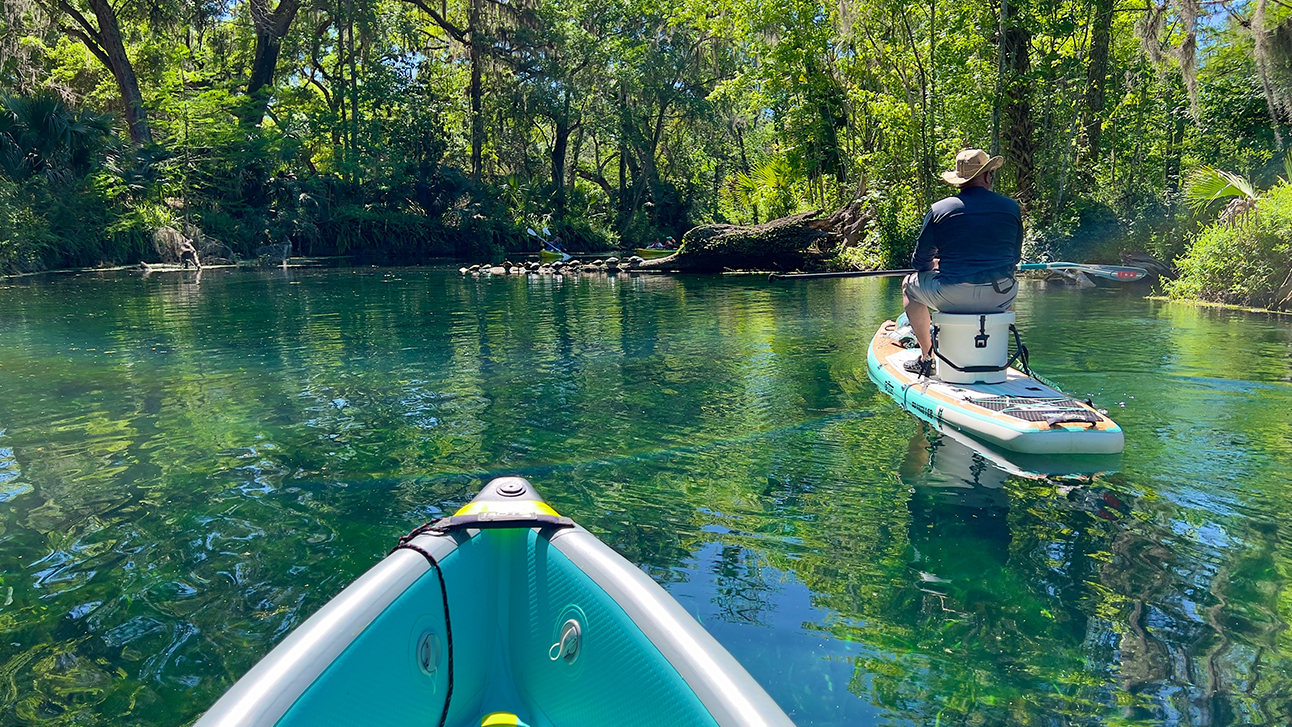
Paddlers who range across the Southeast quickly notice that Florida’s rivers behave differently. Through most of the region, rivers run tea-dark with tannins or swing with the tides, and visibility drops to a few inches below the blade of your paddle. Florida has those rivers, too. What sets the state apart is the rarer kind: hundreds of spring-fed waterways that rise clear and cold straight out of the ground. According to the Florida Department of Environmental Protection, the state holds more than 1,000 springs, likely the largest concentration of freshwater springs on Earth.
That abundance is why a day on the water here can feel less like crossing a river and more like drifting over an aquarium. Spring-fed runs hold a steady temperature year-round, so the same stretch is comfortable in January and refreshing in July. The clarity turns ordinary paddling into wildlife watching, with turtles, gar, and the occasional manatee visible several feet down.
Geography stacks the odds in a paddler’s favor, too. Much of Central Florida sits within a short drive of these runs, so an early start can put you on protected water before the day heats up. Several of the best spring-fed runs near Orlando sit close enough to reach before breakfast. The terrain is flat and the current is gentle on most of them, which suits first-timers without boring people who have paddled for decades.
The Wekiva River, just north of Orlando, brings all of these traits together in one system. It is spring-fed and remarkably clear, it threads through some of the wildest habitat left in the region, and it carries a level of federal protection almost no other Florida river shares. That combination is why it anchors the rest of this discussion.
The Wild and Scenic Rivers Act of 1968 created the country’s strongest protection for free-flowing rivers. To qualify, a river has to run essentially undammed and hold at least one Outstandingly Remarkable Value, the law’s term for a natural, cultural, or recreational feature of more than local significance. Designation does not hand the river to the federal government. It locks in protection for the river’s free flow and its standout qualities so future generations inherit the same waterway.
Florida has just two rivers that clear this bar. The Loxahatchee in the southeast earned the state’s first designation, on May 17, 1985, and the Wekiva followed in 2000. For a state laced with more than a thousand springs and countless waterways, two is a remarkably short list, which says a lot about how rare the Wekiva’s mix of qualities really is.
The Wekiva did not slip in on a single feature. Federal reviewers identified five Outstandingly Remarkable Values across the system: scenic, recreation, wildlife and habitat, historic and cultural, and water quality and quantity. The historic and cultural thread runs deep. Timucua and later Creek and Seminole people fished and camped along these banks and left shell middens behind, and the late-1800s resort era at Clay Springs drew visitors long before Orlando became Orlando.
What makes the Wekiva unusual, even among protected rivers, is how it is run. Rather than sitting under a single federal agency, it operates as a partnership among the National Park Service, state and county agencies, and local stewards who share responsibility for its health. That model is part of why the corridor stays in such good shape, sustained by agencies, nonprofits, and local businesses that have made protecting the watershed part of their mission.
The Wekiva River was federally designated on October 13, 2000. According to the National Park Service, it is the sole Partnership Wild and Scenic River in Florida, with 41.6 miles protected across the system. That protection covers the main river, Wekiwa Springs Run, Rock Springs Run, and Black Water Creek, safeguarding five outstanding values that range from wildlife habitat to water quality.
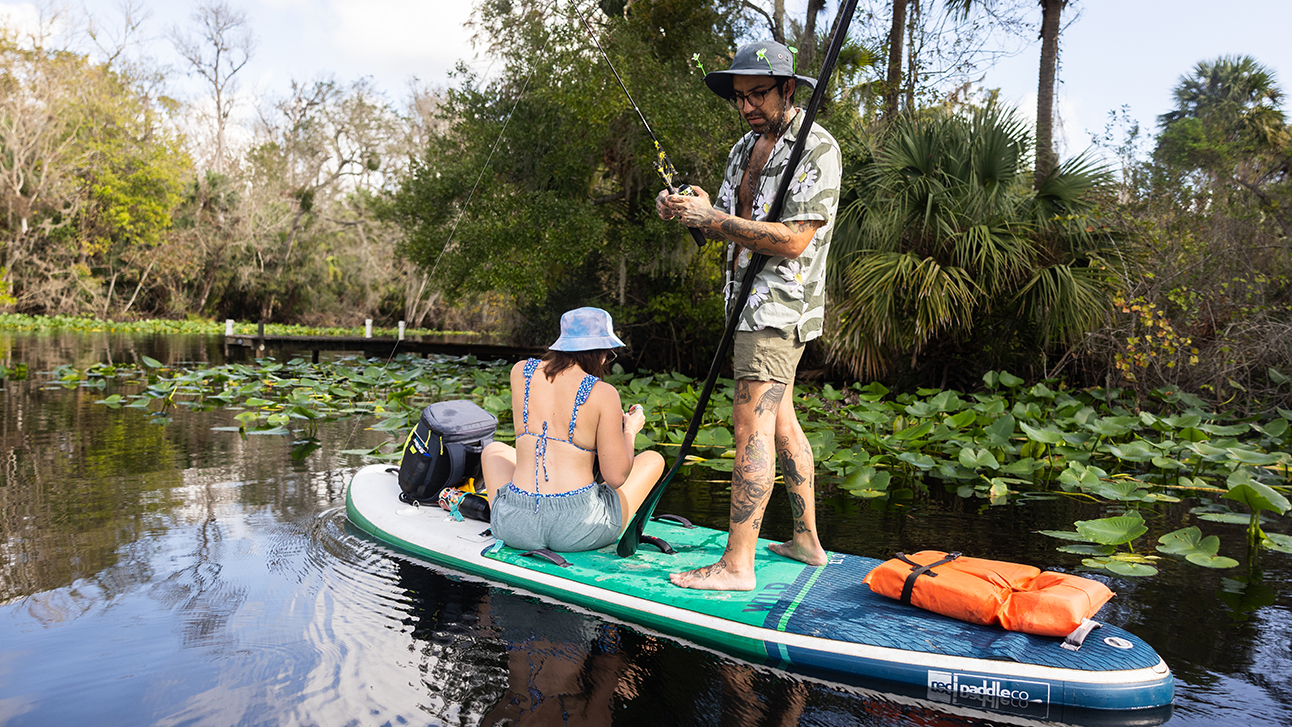
Central Florida hands paddlers more options than almost anywhere in the state, so the real task is matching the river to the trip you want. A few factors narrow it down fast: how you put in, how far you want to go, the current you’re willing to work against, and how many other boats you’re willing to share the water with.
Access shapes everything else. Public ramps inside state parks tend to be cheaper and quieter midweek, while private outfitters charge for rentals, shuttles, and parking. On the Wekiva, you can launch from Wekiwa Springs State Park near the headwaters, or put in and take out at landings downstream, making one-way trips with a shuttle easy to arrange.
Distance and current decide how hard the day feels. Spring runs stay calm and clear, so an out-and-back keeps things simple for first-timers. Longer one-way routes cover more ground but require a take-out and a ride back to your car. The Wekiva and Rock Springs Run together form a 27-mile paddling trail that is generally suitable for beginners, which is rare for a route with this much wildlife and scenery.
Crowds are the last variable, and the easiest to manage. Weekends pull swimmers, tubers, and paddlers to the same launches, especially in summer, so an early weekday start buys you quieter water and better wildlife odds. Renting on site also spares you the trouble of hauling a boat. Many day paddlers run Rock Springs Run down to Wekiva Island, where you can rent or launch just below the spring-run confluence, using it as either a starting point or a take-out.
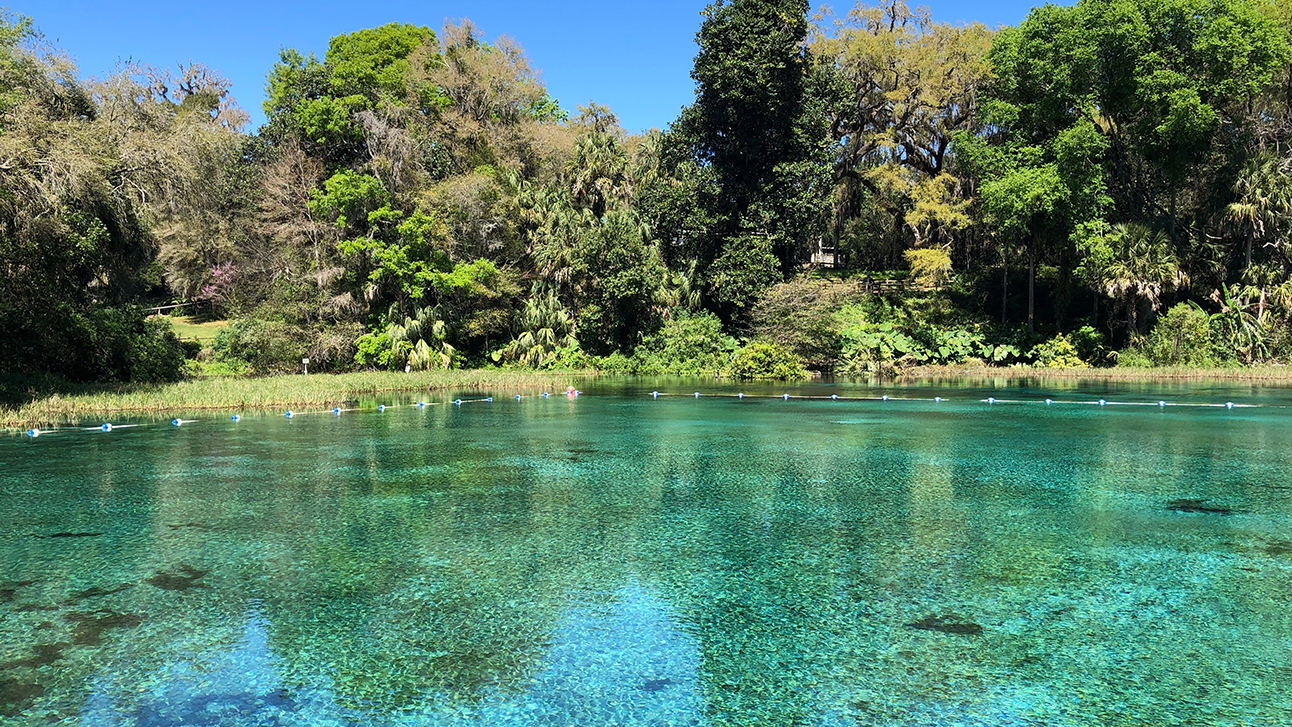
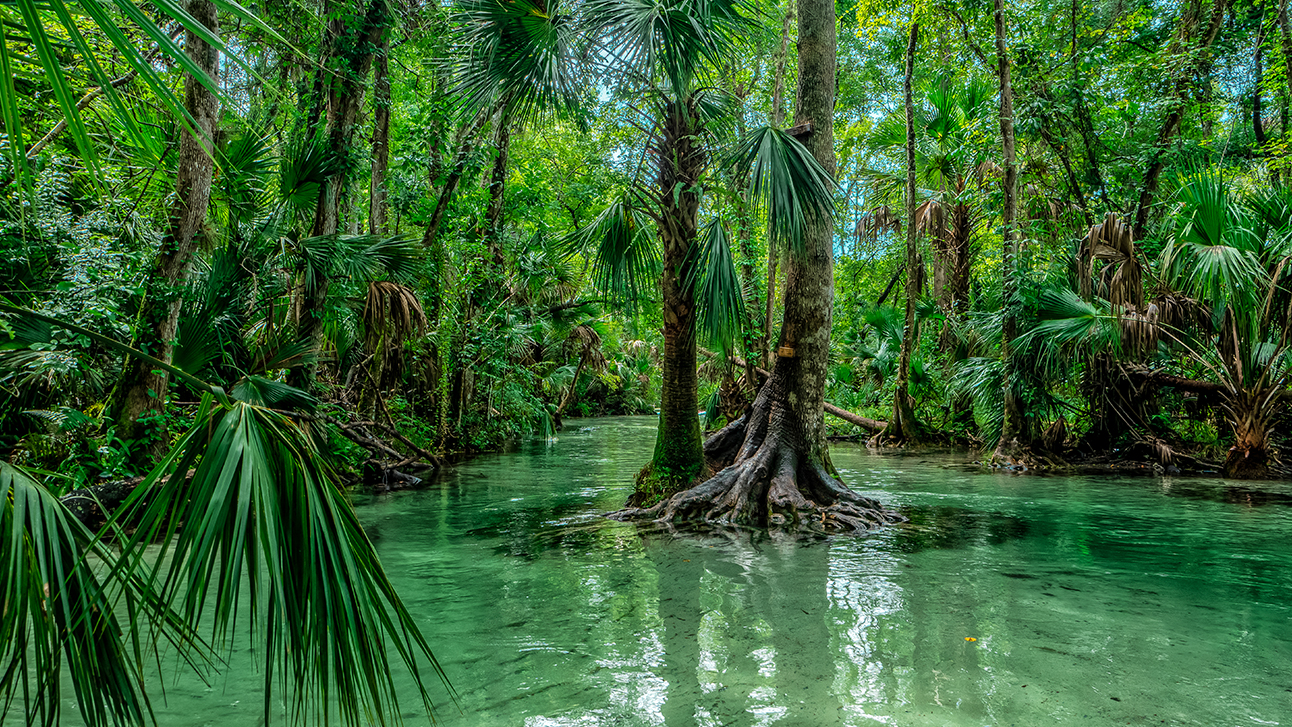
Water clarity comes down to where the water starts. Spring-fed rivers like the Wekiva draw most of their flow from the aquifer, where rainwater has spent years filtering down through porous limestone. By the time it reaches the spring vent, the sediment is gone, which is why the upper river runs clear rather than muddy. You can watch turtles cruise the bottom and bass hold in the current, a view most rivers never offer.
Temperature is the other spring-fed signature. Groundwater surfaces at the same cool temperature year-round, so the headwaters feel refreshing in August and almost warm on a January morning. That stability does more than keep paddlers comfortable. It supports the eelgrass beds and the year-round wildlife that make the river so productive.
Not every stretch looks the same, and that is part of the appeal. The Wekiva River also takes in blackwater tributaries that run tea-dark from tannins, drawing their color from rainfall that filters through swamps and leaf litter rather than from the aquifer. Where Blackwater Creek and other tributaries enter, the clear spring water blends with darker water, and the river shifts character as you move downstream.
Conditions change with the weather, too. Heavy summer rain can cloud the water and quicken the current for a day or two, while a dry stretch leaves the upper river glass-clear. Paddlers chasing the best visibility tend to launch early after a dry spell, when the springs dominate the flow. For anyone who wants to understand why the water behaves this way, Wekiva Island’s education center breaks down the spring system that powers it.
Wekiwa Springs feeds the river more than 43 million gallons a day, and that groundwater surfaces at a steady 72 degrees year-round. Filtered up through limestone, the water carries almost no sediment, which is why the upper Wekiva stays clear enough to count fish several feet down.
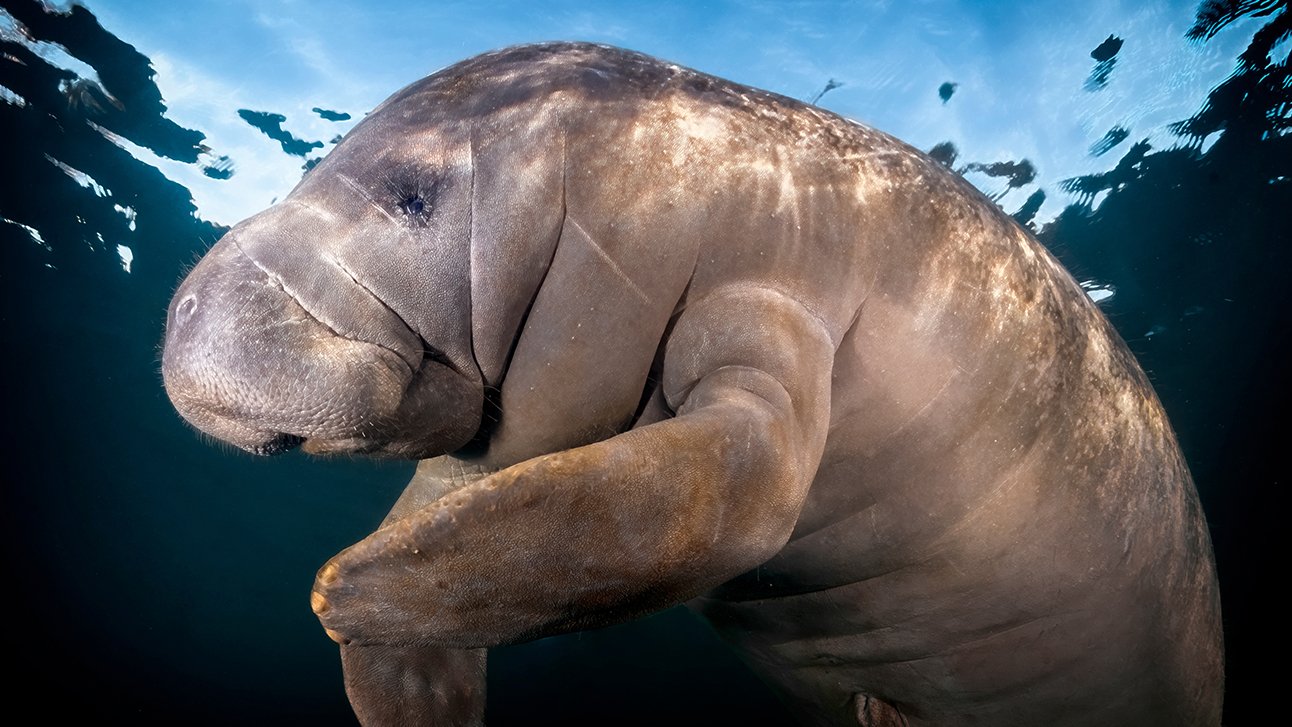
Few rivers put wildlife on display the way the Wekiva does. The clear water and protected corridor mean a single morning paddle can turn up more animals than a full day in many parks. The cast changes by season and time of day, but several species show up so reliably that regulars stop being surprised by them.
Alligators are the headliners, and they are easier to coexist with than their reputation suggests. They bask on logs and sandy banks, slide into the water as you approach, and generally want nothing to do with a kayak. Give them room, and they become unforgettable photos rather than a problem. River otters, much harder to catch, work the banks at dawn, and turtles line every sunny snag.
Birds may be the real reason to pack a long lens. Great blue herons and great egrets stalk the shallows, anhingas dry their wings on overhanging limbs, and limpkins probe the spatterdock for apple snails with their long, curved bills. The basin is a serious birding destination, with 192 bird species recorded at Wekiwa Springs alone.
The forest along the banks holds the heavyweight. The Wekiva corridor is prime Florida black bear habitat, part of a wildlife corridor linking the river to the vast Ocala National Forest to the north. Manatees appear, too, drifting into the lower river during cooler months when the spring-fed water stays warmer than the St. Johns. For seasonal odds and spotting tips by species, Wekiva Island’s wildlife guide makes a useful companion.
The Wekiva corridor anchors one of Florida’s richest concentrations of wildlife, including the Ocala/St. John’s black bear population, the largest in the state at about 1,200 bears, according to the Florida Fish and Wildlife Conservation Commission. Paddlers regularly share the water with alligators, river otters, turtles, and wading birds like herons, egrets, and limpkins.
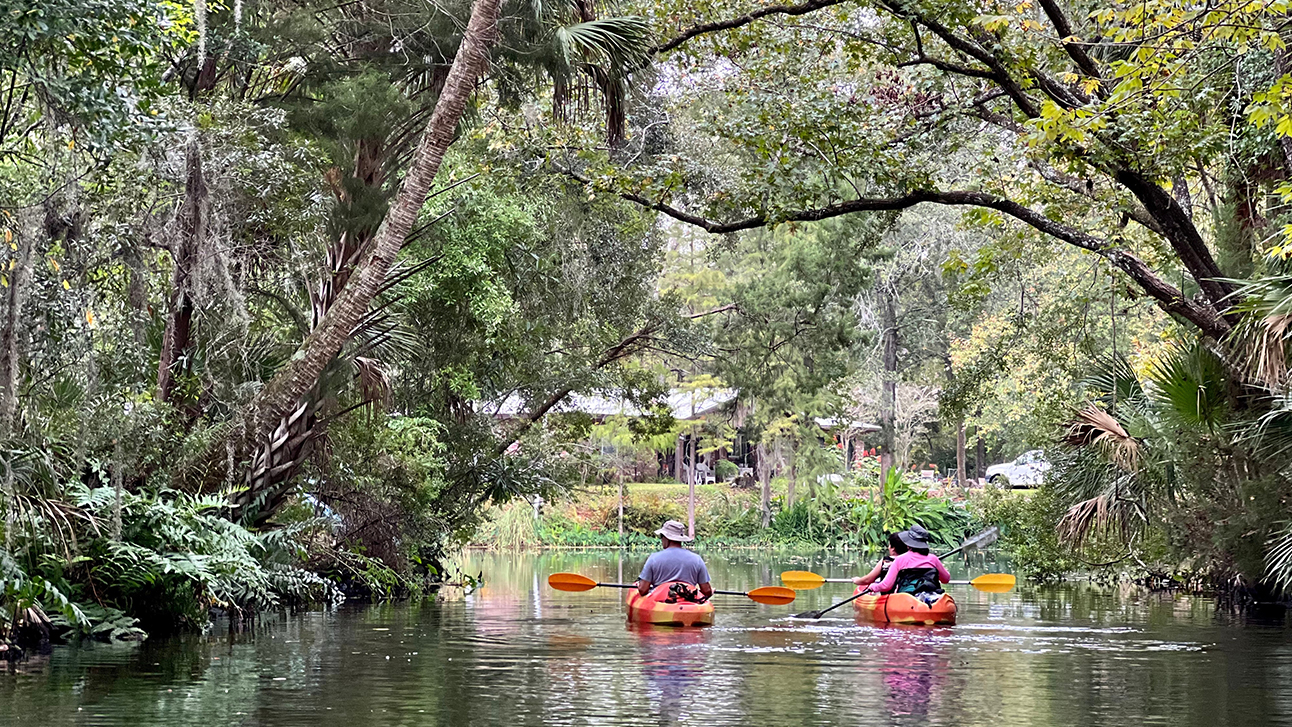
The Wekiva system suits almost any skill level because you can scale the trip to the day you have. Most of the water is flatwater with a gentle current, so distance and shuttle logistics, not rapids, decide how hard a route feels. The river does not loop, though, so any out-and-back means paddling home against the current.
A few routes cover the realistic range:
Current and water level matter more than they appear. After heavy rain, the flow speeds up and upstream returns get tougher, so check conditions before committing to a long out-and-back. Renting on site or launching your own boat also takes the guesswork out of shuttles and gear. At Wekiva Island, you can rent a canoe, kayak, or paddleboard, or launch your own vessel and use the landing as a starting point, take-out, or mid-trip stop. Match the route to your group’s stamina, and the rest sorts itself out.
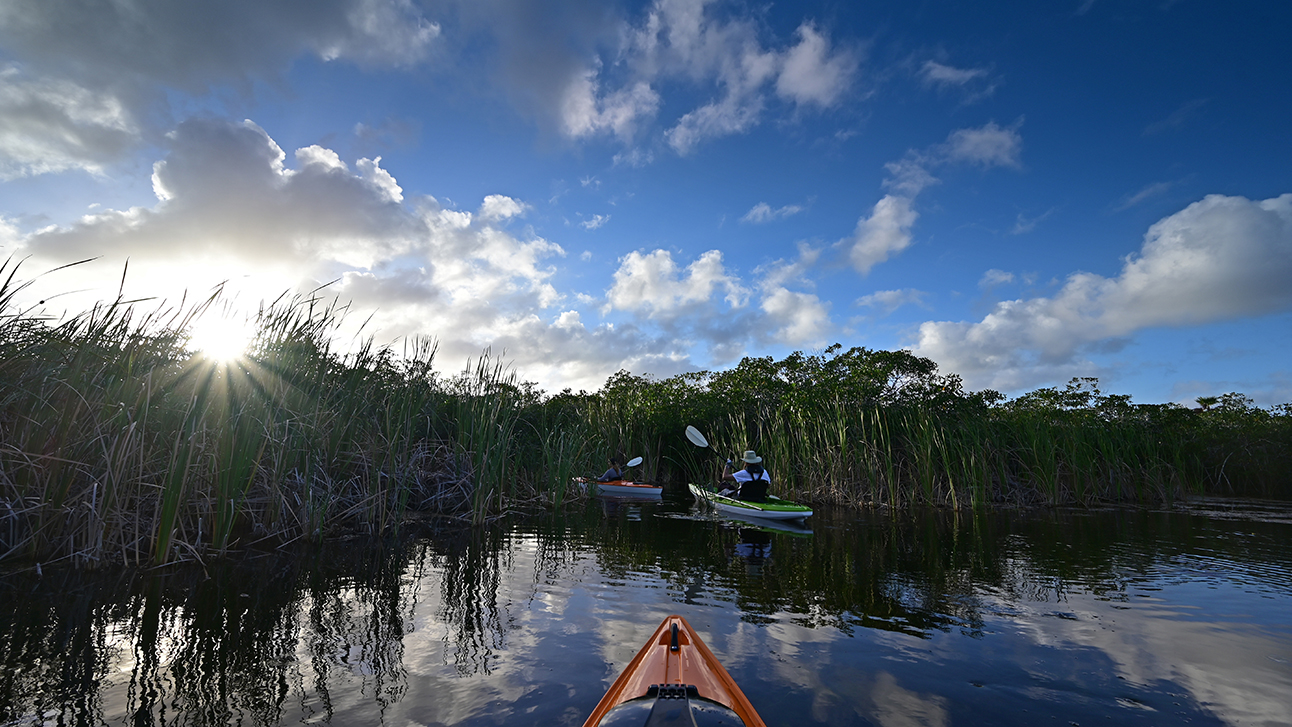
Florida’s spring-fed rivers are a year-round destination, which is rare in itself, but the experience shifts noticeably with the calendar. Because the springs hold a constant temperature, the water never closes for the season. What changes are the weather above it, the size of the crowd, and which animals are out?
Winter and early spring deliver the clearest water and the smallest crowds. The dry season slows rainfall to a trickle, so the springs dominate the flow and visibility peaks. Cool air makes the spring water feel almost warm, and manatees drift into the lower river in search of that warmth. For paddlers who prize clarity and quiet, December through April is hard to beat.
Summer flips the pattern. The basin gets about 52 inches of rain a year, most of it falling between June and October, and those afternoon storms raise the river and can cloud it for a day or two. Mornings stay gorgeous, and the canopy throws good shade, but the launches fill with swimmers and tubers on weekends. An early weekday start is the way to go, both for parking and for wildlife, before the heat peaks.
Fall is the quiet reward. As the rains taper in late October, the water clears again, the crowds thin, and temperatures ease into perfect paddling range. Wildlife stays active, and the light through the cypress turns photogenic. Whatever season you choose, planning around the weather and your start time matters more than the month, and Wekiva Island’s outdoor activities guide is a handy reference for timing a trip.
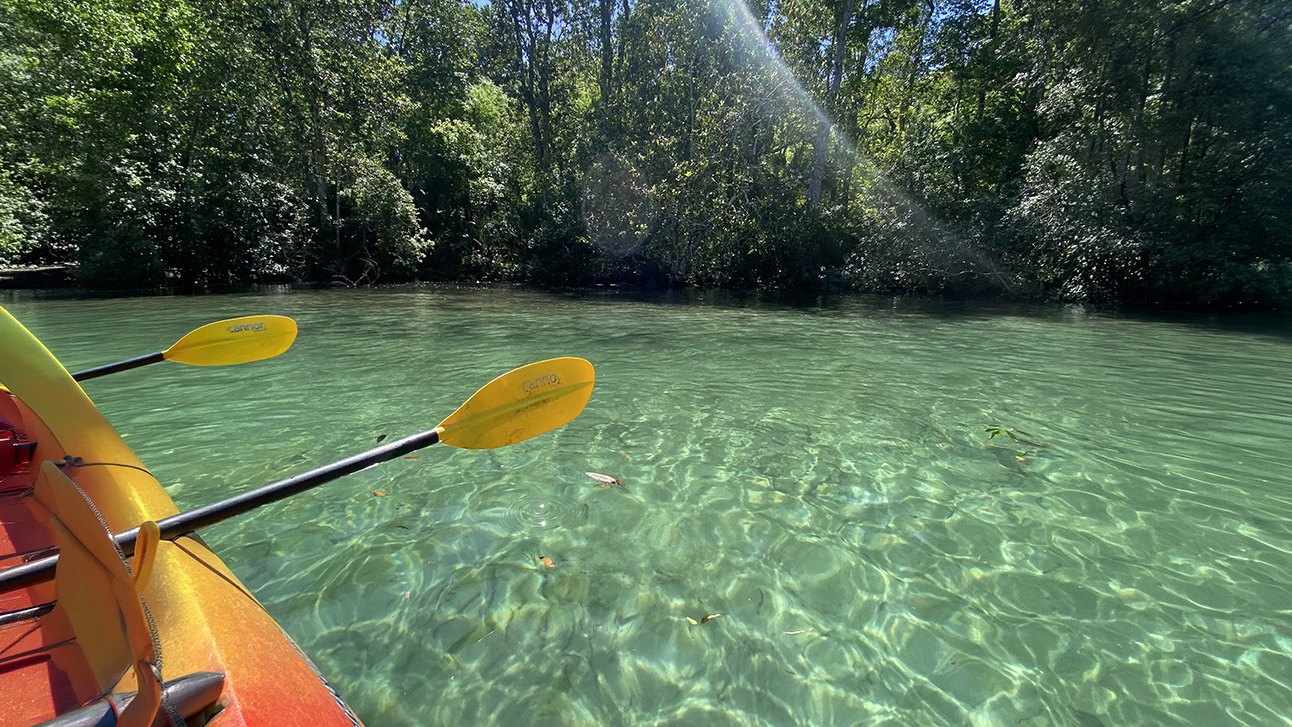
Every clear spring in Florida starts underground. The Floridan Aquifer is a vast layer of porous limestone holding water that fell as rain and slowly filtered down through sandy soil over the years. Where the rock is thin or fractured, that water rises under natural pressure through openings called spring vents, surfacing already filtered and cold. The Wekiva’s springs are simply the visible end of that hidden plumbing.
The scale is hard to overstate. The aquifer stretches beneath all of Florida and into neighboring states, and it feeds more than a thousand springs that give the state its clear rivers. That same groundwater supplies much of the region’s drinking water, which ties the health of the Wekiva directly to the wells and pumps around it.
That connection cuts both ways. Because the river is fed by the aquifer, it is only as healthy as the aquifer beneath it. Pump too much groundwater and spring flow drops, which is why the St. Johns River Water Management District sets minimum flows and levels to keep enough water moving. Nutrients applied on the land can travel down into the aquifer and resurface in the springs, so what happens miles away shows up in the water you paddle.
Understanding that link is the heart of understanding the Wekiva. The river is not a closed system. It is the visible expression of a much larger one, and its clarity is a daily report card on the aquifer’s condition. The surest way to appreciate why that matters is to see it firsthand, out on the river itself.
Florida’s spring-fed rivers are powered by the Floridan Aquifer System, the primary source of drinking water for nearly 10 million people and one of the most productive aquifers in the world, according to the U.S. Geological Survey. Rainwater filters down into its porous limestone, then rises under pressure through spring vents to form clear, constant-temperature runs like the Wekiva.
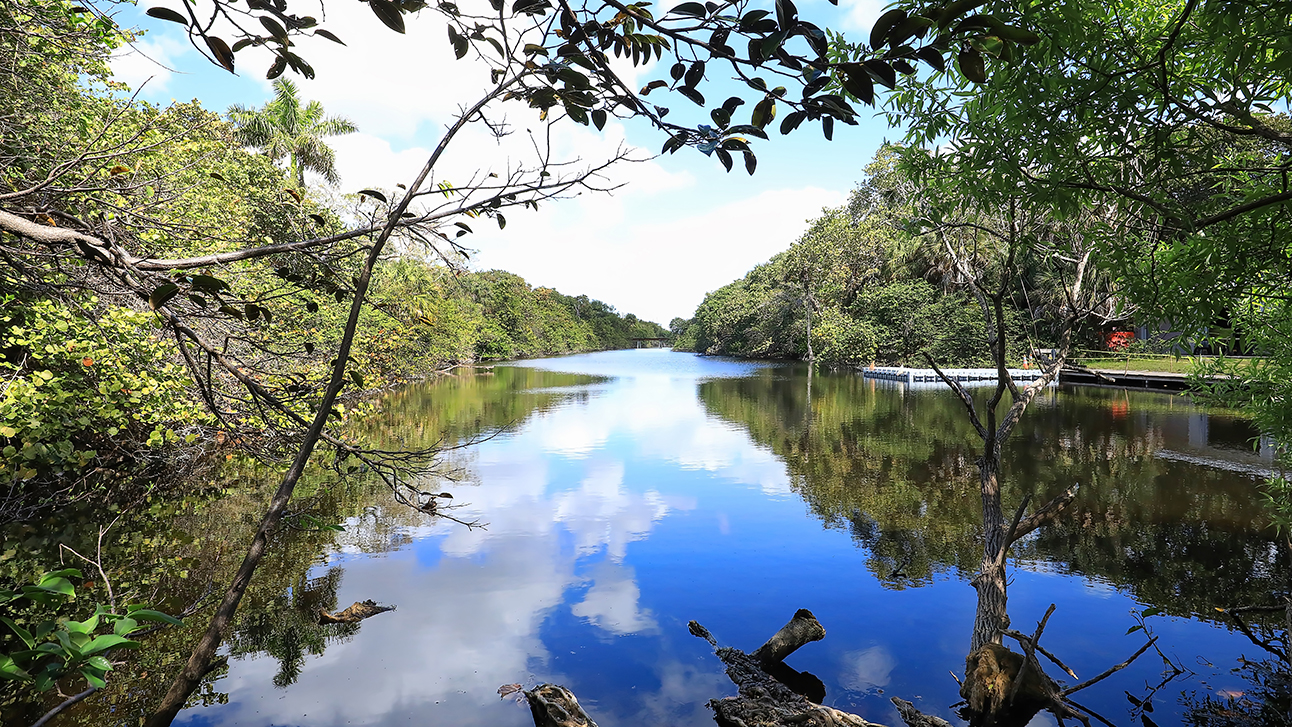
Calm, spring-fed rivers with little current are the safest bet, and Central Florida has several. The upper Wekiva and Rock Springs Run are popular first paddles because the water is clear, the flow is gentle, and the 27-mile trail is rated suitable for beginners. Start with a short out-and-back, head against the current on the way out so the return is the easy part, and you will build confidence fast.
Winter through spring, roughly December to April, offers the best all-around conditions. The dry season keeps spring-fed rivers clear, the crowds are smaller, and the cooler air makes the constant 72-degree water feel pleasant. Summer still paddles well if you start early, before the afternoon storms and weekend swimmers arrive.
Alligators live in nearly all of Florida’s fresh and brackish waters, so assume they are present on any river, including the Wekiva. They rarely take an interest in paddlers and usually slip away as you approach. Keep at least 15 feet of distance, never feed them, and keep hands and pets out of the water, and they pose little real risk.
Start with the public launches inside Florida State Parks and the state’s designated paddling trails, which list access points, distances, and difficulty. Within about 30 to 45 minutes of Orlando, you can reach the Wekiva River, Rock Springs Run, and the upper St. Johns. Outfitters and landings such as Wekiva Island also rent boats and run shuttles, which makes lining up a put-in and a take-out simple.
Pack for sun, water, and wildlife. Bring more drinking water than you think you need, plus reef-safe sunscreen, a hat, and bug spray for the shaded stretches. Florida law requires a wearable flotation device for everyone on board, so wear or stow one per person, and seal your phone, keys, and snacks in a dry bag because splashes are guaranteed.
Yes, spring-fed rivers are some of the most family-friendly water in the state. The gentle current, clear shallows, and constant-temperature water suit kids and first-timers, and short out-and-back routes let you turn around whenever attention spans run out. Pick a calm upper-river segment, go early to beat the crowds and heat, and make sure every child has a properly fitted life jacket.